.jpeg)

Comprehensive Aphasia and Dysarthria Therapy, Deland and Daytona Beach.
Aphasia is a language disorder that happens when the parts of the brain that handle communication are damaged. While it does not affect your intelligence, it significantly changes how you express yourself and understand the world around you.
In daily life, this means tasks like talking, understanding conversations, reading a favorite book, or writing a shopping list can become a major challenge. Managing appointments and maintaining close relationships often feels more complicated than before.
The emotional toll is real. It is common to feel deep frustration, isolation, or a temporary loss of confidence. These changes impact your identity and how you see yourself, but we are here to support your journey back to functional communication.
Stroke
A stroke occurs when blood flow to the brain is interrupted. This is the most common cause of aphasia, affecting the brain's language processing centers and impacting daily communication.
What causes Aphasia?
Apraxia of speech and dysarthria can often occur alongside aphasia, affecting how clearly speech sounds are produced and impacting overall communication clarity.
Brain Injury & Tumors
Head trauma from accidents or the growth of brain tumors can damage critical language hubs. These injuries can interfere with how a person speaks, understands, reads, or writes.
Progressive Conditions
Certain neurological conditions, such as primary progressive aphasia, can cause a gradual decline in language skills. We provide tools to manage communication through every stage of these conditions.
How can therapy help?
Speech-language therapy is a collaborative process designed to rebuild both your communication skills and your confidence. We work with you to develop personalized goals that focus on the practicalities of daily life while addressing the emotional impact of aphasia.
- Communication Support: Targeting talking, understanding, reading, and writing for daily life.
- Safety & Independence: Strategies for managing medical appointments and medication.
- Emotional Well-being: Support to navigate frustration and build confidence.
- Independence Goals: Developing practical strategies to increase autonomy at home.

What assistive devices are available?
Augmentative and Alternative Communication (AAC) includes all of the ways a person communicates besides talking. We work closely with you to assess and trial different options, ensuring we match the most effective tools to your unique goals, lifestyle, and physical needs.

Low-Tech AAC
Non-electronic tools like communication books, picture boards, and personalized notebooks offer reliable ways to express essential needs and daily routines.
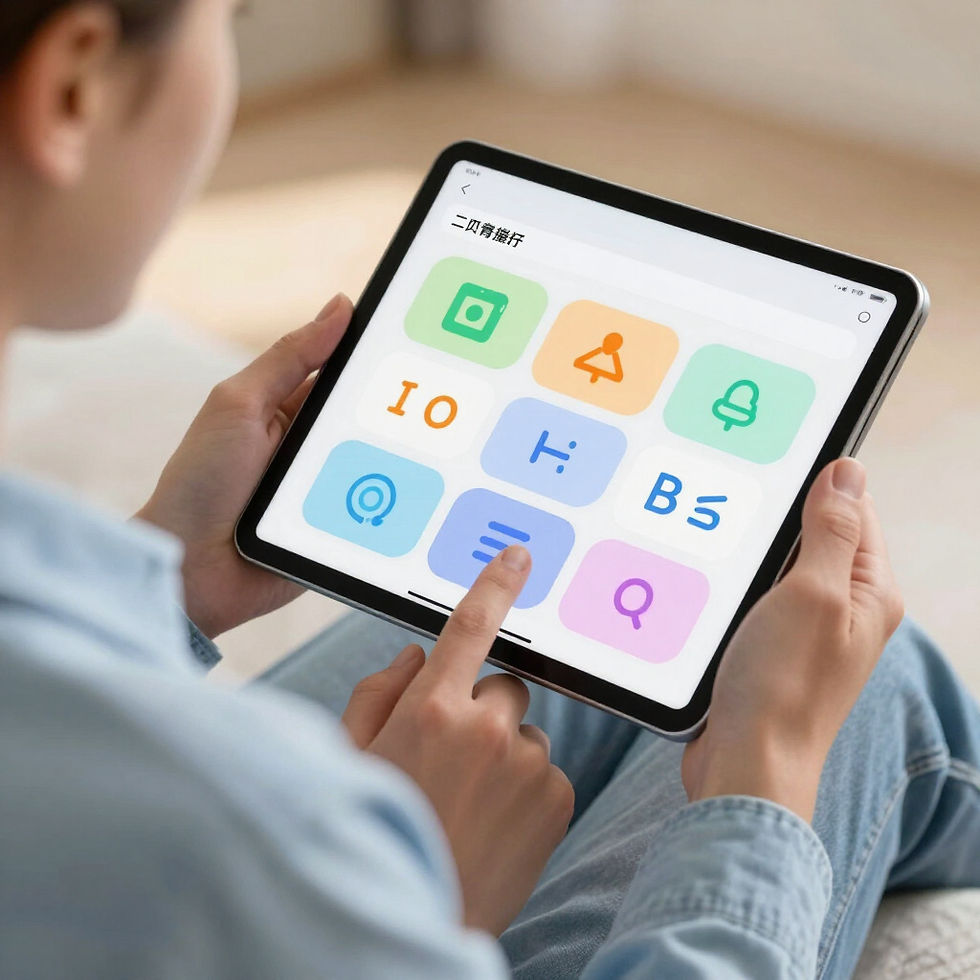
High-Tech AAC
Dynamic solutions including specialized communication apps, tablets, and speech-generating devices that provide voice output and complex language support.
What Happens in Therapy?
Step 1
Comprehensive Assessment
We begin with a thorough evaluation to identify your unique communication profile, exploring how aphasia affects talking, understanding, reading, and writing in your daily life.
Step 2
Meaningful Goal-Setting
Together, we establish functional goals that focus on safety, independence, and the activities most critical to your identity and well-being.
Step 3
Practicing Real-Life Tasks
Sessions move beyond drills to real-world applications, such as managing medical appointments, using assistive technology, and navigating social relationships with confidence.
Step 4
Involving Family & Partners
We actively involve your communication partners, providing them with respectful strategies and support to reduce frustration and enhance connection at home.
Step 5
Checking Progress & Growth
We regularly monitor progress and adjust our strategies to ensure that every session brings you closer to your goals and restores your confidence in communicating.
Slowing down: Speak at a relaxed, natural pace to give your partner time to hear every word.
Using simple sentences: Keep your message clear and direct by using shorter, uncomplicated phrases.
Giving extra time: Be patient and allow for longer pauses, giving your partner space to process and respond.
How can my communication partners help me?

Confirming understanding: Gently check in to make sure the message was received before moving on.
Using gestures or writing: Visual aids like pointing, facial expressions, or quick notes can help support meaning.
Focusing on connection: Above all, keep the focus on respectful interaction and connection, not perfection.
Is therapy covered by insurance?
Often yes. Speak to us about insurances we accept. If your insurance does not cover it, we can provide you with a good faith estimate of the cost of therapy and help you with reclaiming costs from out of network payers, if you are covered. We do accept Medicare original, and some Advantage plans.